

If you are in the process of buying or selling your home, at some point the time will come for a property survey.
This is when a professional chartered surveyor comes round to your home, or the home you are looking to buy and does a thorough check that there are no major issues.
This can be a worrying time, as any big problems can result in sales breaking down and figures being negotiated.
So, with that in mind, just what are the major issues you can expect to be flagged up during a survey?
Well, here’s the ten most common.
Let’s take a look.
1. Structural Issues
Structural damage can occur at any time.
Whether new or old, a property is never 100% safe from falling foul to some of these issues.
There are many reasons for structural problems to appear, including a poor design when built, natural causes such as heavy wind, or structural breakdown over time.
So, what are the signs of structural problems?
Firstly, cracks in walls are a big sign something has gone wrong. This can indicate a movement, which is never good for structural integrity.
If things seem to be changing shape, such as doorframes, windows, and flooring (with gaps and holes appearing) this is again a sign that something is amiss.
If the walls are starting to bulge, then something is putting too much pressure on them.
Also, a surveyor will look at the exterior of a home. If they notice cracks in the outside walls or that gaps are starting to show between the house and the front porch, for example, things are not looking good.
Structural damage can be very costly, depending on how deep the damage goes, and is always a huge turn-off to people looking to buy a new home.
2. Asbestos
Since 1999, asbestos has been banned in the property construction world.
Plenty of houses were built before this time though.
If your surveyor spots some signs of asbestos, then it needs to be removed safely, which can come at quite an expense (around £2000 in some cases).
If untouched, asbestos doesn’t cause any harm. The issue is if you don’t realise, or forget that it is there and decide to do some DIY.
When broken up, fine dust is released from asbestos that if breathed in can lead to asbestosis, an extremely dangerous lung condition.
That is why asbestosis needs to be dealt with quickly and safely, and if found in a survey, can add a bit of extra cost onto a big move.
3. Roof Issues
There are varying levels of roof issues, which can range from a quick fix, to a long and expensive one.
If the issues are to do with gutters or some tiles that have become dislodged or cracked, then this can be fixed relatively easy with the help of a professional. This will cost, but not to a huge extent.
A quick and easy fix isn’t always the case though.
If the roof has major issues with its structure, then there may come a time when it needs to be completely replaced. This is a big job and will cost thousands of pounds, as well as take a long time.
If your surveyor does spot some roof issues, make sure you ask about the severity and ask a roofing contractor to help to let you know the full extent of the damage.
4. Damp
Roughly half of the homes in the United Kingdom suffer from damp.
This doesn’t mean it is an issue that can be swept under the rug though.
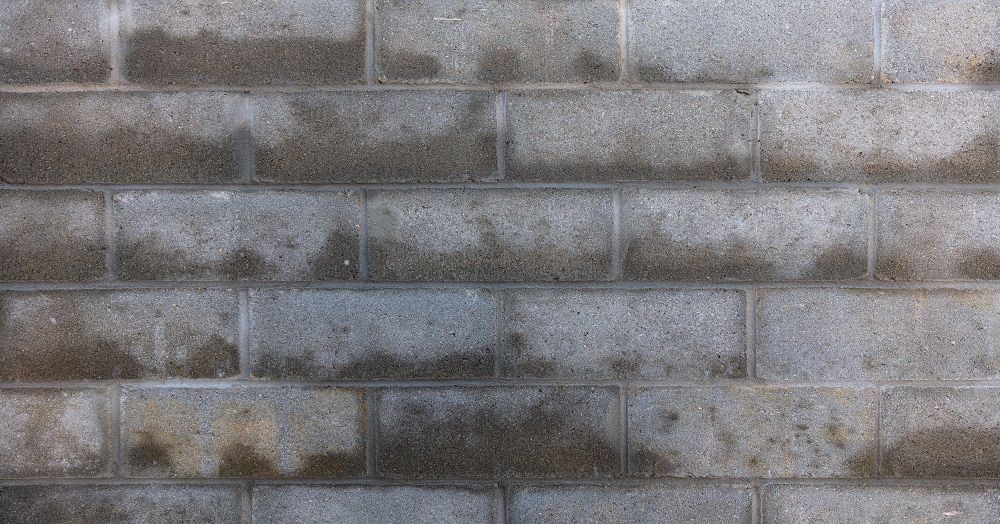
If a surveyor spots damp, then this is a big sign that something isn’t right. You may have tiles missing, issues with pipework, or have broken or blocked gutters.
No matter the problem, it needs to be dealt with. Your property surveyor should be able to let you know how to fix the damp, but if it is already widespread then you may have an issue.
If leaks in a home are beginning to affect its structure, or are leading to mould which can be harmful, then something needs to be done.
Again, this can be a quick fix or can be something much more serious, including the need for a new roof or new brickwork.
5. Japanese Knotweed
Something that sends shivers down the spines of many construction workers is Japanese Knotweed.
On the outside this may look like any other plant, especially with its close resemblance to bamboo.
Really, Japanese Knotweed can be a nightmare for homeowners across the UK.
Why?
Well, the plant is tough to kill and grows rapidly. It grows in tiny spaces, including underneath and around homes.
This simple plant has been known to cause damage to properties all over the world, and therefore if it appears in your survey report, it is wise to take notice.
Getting rid of Japanese Knotweed can cost a whopping £2000 to £20,000, and most mortgage lenders will not lend money to a person trying to buy a home with this growing nearby.
If you have found the house of your dreams, but the survey brings up Japanese Knotweed, it may be time to start looking elsewhere, as it could cost you a lot of money down the line.
6. Lack of Alarms
Something that isn’t hugely serious but definitely needs addressing is a lack of alarms.
Smoke and carbon monoxide alarms need to be in a property for the safety of the people who live inside.
Most homeowners will have them spread throughout the house, but not all.
If a property surveyor notices there are no alarms in the property, they will flag this up in the report. It won’t cost a huge amount to fix, and certainly won’t require the help of a professional, but could be the difference between life and death.
All rental properties need a smoke alarm by law, and insurance claims may not be successful if there is evidence of negligence when it comes to setting up alarms.
Most people take it for granted that these things will be set up, and may forget to check, so a friendly reminder in your survey report can prove to be hugely beneficial.
7. Insulation
Insulation is important in a home.
With poor insulation, you can expect soaring energy bills as well as issues with frozen pipework.
If your survey report picks up areas where insulation is missing of has been damaged, this needs to be fixed when you move in.
This isn’t a task that requires a professional and can usually be done with a roll of insulation that is will be less than £50 from your local hardware store.
If you do need a professional, it shouldn’t be any more than a couple of hundred pounds to fix.
Keep an eye on your EPC (energy performance certificate) as this is a good indication of how well a property conserves its heat and the amount of energy it will cost to keep your home warm.
8. Drainage Issues
Another important issue is drainage.
No-one wants flooded areas or nasty, lingering aromas, but not buying a property with a healthy drainage system can certainly provide these.
Issues with drains can range from a blockage which can be fixed quickly and easilyy (albeit it may be a bit messy) to something much more severe such as structural damage to the drainage network.
All the information you need should be in your survey report, so make sure to read it carefully as you don’t want to be digging up your garden in the first week to reach your drains.
Whilst on the topic of drainage, guttering will also be checked.
Any blockages or cracks can mean you need new gutters, so make sure you keep a close eye on this section of the report to save yourself days unblocking gutters or further payments down the line.
9. No Gas or Electric Certificates
There is no legal requirement to have certificates for your gas and electrics, but it is something that the survey will bring to your attention.
This is because if you move into a new home and want to be on the safe side, you will have to pay to get an inspection done by a professional.
This may cost a couple of hundred pounds, but any major issues that are found could cost a lot more.
If a property doesn’t have the right certificates, you can’t be sure that there isn’t a problem that is being swept under the rug, so this can put a little doubt into the mind.
If you are really worried, pay for an electrician or a gasman to do a service before you buy a property. That way you will be aware of any issues and the potential cost of fixing them.
10. Infestations
One of the more unpleasant things to find in your survey report is an infestation.
If you have a home that contains a lot of wood in the structure, there may be signs of a woodworm infestation. While not commonly too costly, there is the risk of damage with such an infestation.
Another common infestation is by rats and mice. As well as being a phobia of many people, rats also carry diseases that can be harmful to humans.
So, what will your surveyor spot?
Well, he may spot the animals themselves, but it’s most likely he will see dropping or signs that pests have been in a place.
From ants and bedbugs, to rats and woodworm, infestations are never good, and spotting one in your survey report could be a big turn-off.
Summary
Buying and selling a house is a huge decision.
More often than not, it involves taking out a loan which you will pay back for many years to come.
A home survey is a detailed analysis of all of the issues with the home and should be carefully analysed before buying a property.
These common issues range from quick fixes to expensive jobs, and it’s always a good idea to speak to a professional if you’re worried about any problems flagged in your survey. Buying a home is a great experience, so make sure you are always buying something safe and sure to be a great investment with this handy guide.